My Path Through Loss, Perimenopause and the Importance of Self-Care:
For a long time, I started noticing different changes in my body and my mind, and I had no clue why. It all began when I was around 38, and life was already busy with kids and handling everything every day. But this felt different, like my body was actually trying to tell me something. At first, I brushed it off, thinking, “Oh, I’m just tired,” or “I’m probably stressed.” But as time went on, those feelings got harder to ignore.
Out of nowhere, I started feeling more anxious about things I normally wouldn’t. It was like worry just followed me around, even over small stuff. My moods were all over the place too, and I’d get irritated or upset without warning. Sleep, which was always something I could count on, became a nightly struggle. I started getting hot flashes that left me sweaty and uncomfortable, especially at night, and then there were the night sweats — they made it impossible to get any good sleep. My periods became so random, and even my cholesterol levels were shifting for no clear reason. But the worst part was how stiff and sore my joints and muscles felt. Just moving around and doing my daily yoga practice became difficult sometimes.
Then there was the major brain fog. I’d forget simple things, like why I walked into a room, or I’d struggle to finish a thought. I started questioning myself, wondering if this was just how “getting older” felt.
For the longest time, I ignored it all. I just kept pushing through, not really stopping to think about what my body was trying to tell me. With the loss of my dad and then the pandemic, I felt even more reason to push my symptoms aside. The daily stress and trauma felt so overwhelming that I didn’t have time to focus on myself. Over time, all I could do was to start adding in doctor visits, tests, even chiropractic and acupuncture — hoping they’d help. Some things brought a little relief, but they didn’t quite get to the root of how I was feeling.
As the years passed, I finally decided to really listen to myself. I thought about how long it had been since my last period and went in and requested a full hormonal test. That’s when I finally got an answer: Premature Ovarian Insufficiency. I remember thinking, “Wait… menopause? Now? I’m only 43 — isn’t that way too young?”
Hearing that news was a big mix of emotions. I felt relieved to finally know what was going on, but when the phone call ended, I just felt overwhelmed. I was grateful that I was blessed with my four kids, but I also felt sadness, confusion, and even a sense of loss. I wondered what this meant for me — for my body, my health, and my future.
I had to remind myself to slow down, to be kind to myself, and to let go of the things I couldn’t control. I knew I had to find the strength to move forward and start taking care of myself with the same love and compassion that I give to others. I had to start with one small change, one small habit in taking care of myself first. I can’t change what’s happening, my diagonis is not cureable but I can focus on making life easier for “future me” — someone who will be facing menopause sooner than expected.
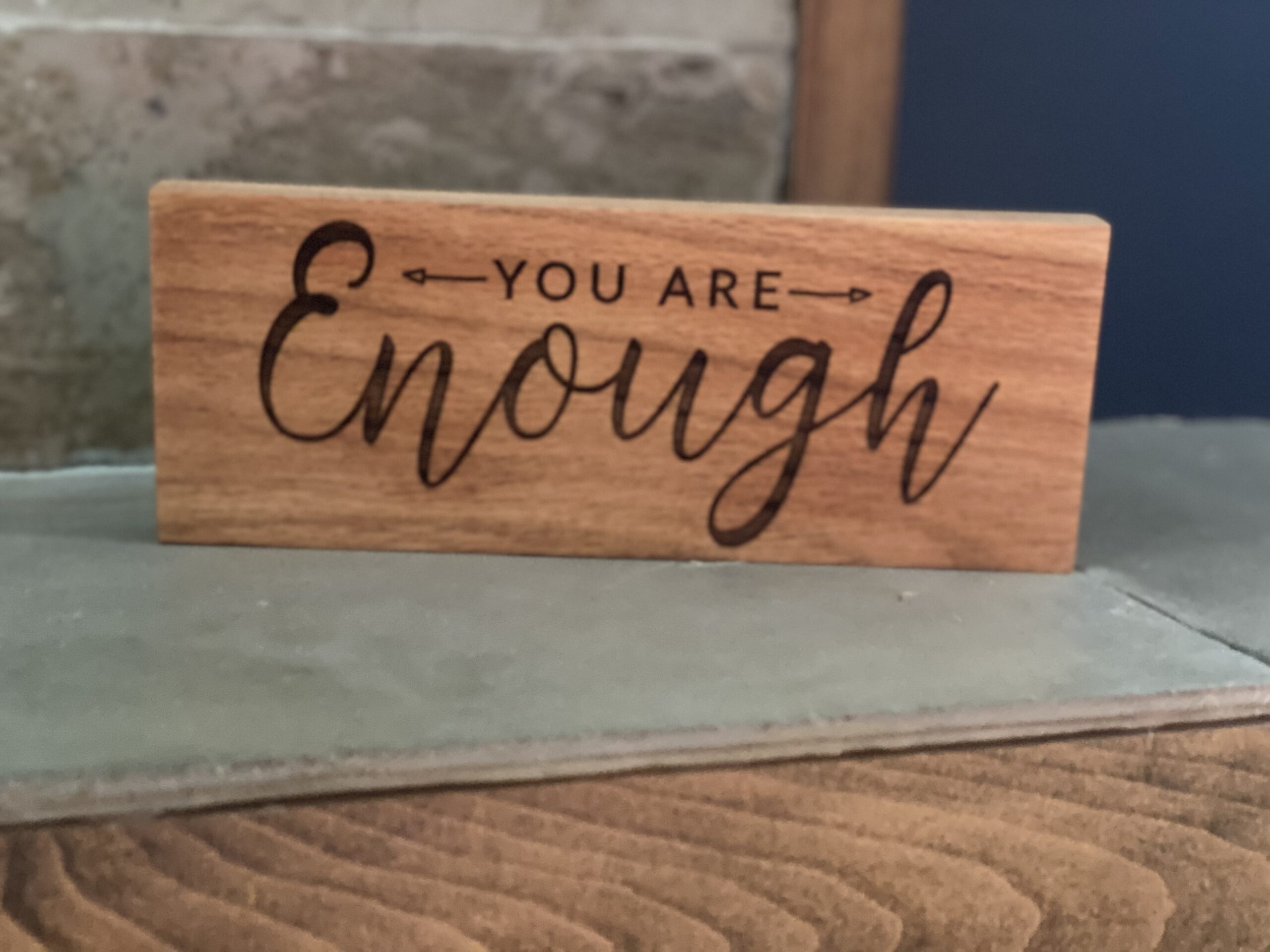
So, to anyone out there reading this, I just want you to know: you’re not alone. It’s okay to stop, to question things, and to listen to what your body’s trying to tell you. We all experience perimenopause differently, and it comes with all kinds of changes — from anxiety, mood swings, and joint pain to night sweats, racing heart, weight gain, depression, emotional outbursts, hair loss, and brain fog. But more than anything, it’s a time to slow down and pay attention to ourselves. Realizing this has helped me feel stronger. I’ve learned I’m not “falling apart” — my body is just asking me to tune in and take care.
Here are 3 Tips for Self-Care During Perimenopause
- Take Care of Your Body
Your body is changing in big ways, so treat it gently. Eat balanced meals, drink plenty of water, and try gentle exercise like yoga or walking. This can help ease the aches and make you feel a little more connected to yourself. - Make Time for Rest
Sleep is hard to come by, but rest doesn’t have to mean sleeping. Give yourself quiet moments during the day, like enjoying a peaceful cup of coffee or just breathing deeply for a few minutes. Even a little calm can help. - Stay Close to People Who Understand
Going through perimenopause can feel lonely, but remember, you’re not alone. Find friends or join a group where you can talk and share. Having people who “get it” around you can remind you that you’re not the only one going through this.
Taking care of yourself isn’t selfish. It’s what makes you strong. So be gentle with yourself, take it one day at a time, and know that you’re supported through this journey.
From my heart to yours,
Stacey